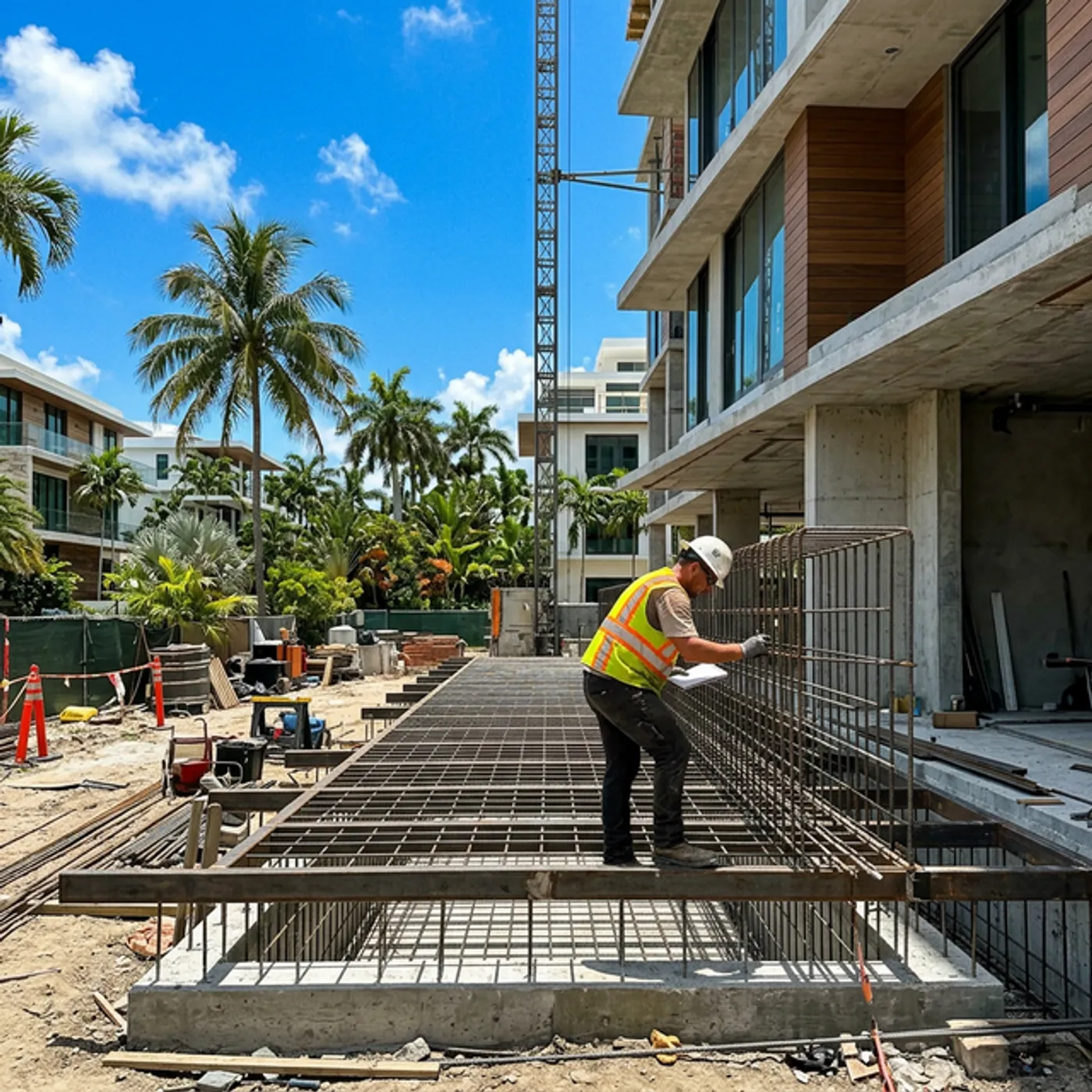
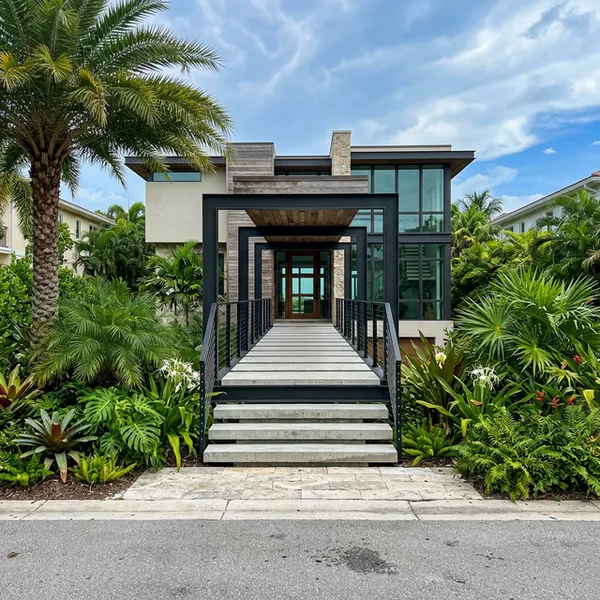
Exterior Long Island Floating Entryways in Hempstead, NY
Outdoor stair systems designed for Long Island winters — drainage, snow load engineering, and material selection for freeze-thaw cycling and coastal corrosion.
At Hempstead Floating Stairs , exterior floating entryways on Long Island require a different engineering approach than interior systems — the climate exposure changes every material and connection decision.
Nassau County's winters deliver freeze-thaw cycles that are more damaging to exterior stair systems than sustained cold. Water infiltrates gaps between steel and masonry at the anchor zone, freezes, expands, and cycles repeatedly through the winter. Anchors set without proper isolation or in masonry without appropriate embedment depth lose capacity over time as this process works the connection loose. We specify epoxy anchors with ICC-ES approval for freeze-thaw environments, with embedment depths calculated from the anchor pullout capacity required at design loads — not from a rule of thumb.
Snow loads are a structural requirement that many stair contractors ignore on residential projects. The ground snow load for Nassau County under ASCE 7 is 25 pounds per square foot. On an open exterior stair with horizontal tread surfaces, that snow load adds directly to the dead load the structure must carry. Our exterior stair designs include snow load in the structural calculations — the stringer profile and anchor sizing account for it, not just the live load from foot traffic alone.
Drainage design is as important as structural design for exterior stairs. Standing water on steel or masonry-embedded connection plates accelerates corrosion and creates slip hazards when it freezes. We pitch tread surfaces a minimum 2 percent toward the open side to ensure water runs off rather than pooling. Drainage channels at landing slabs and weep holes in any masonry walls that contain embedded steel are detailed in the construction drawings.
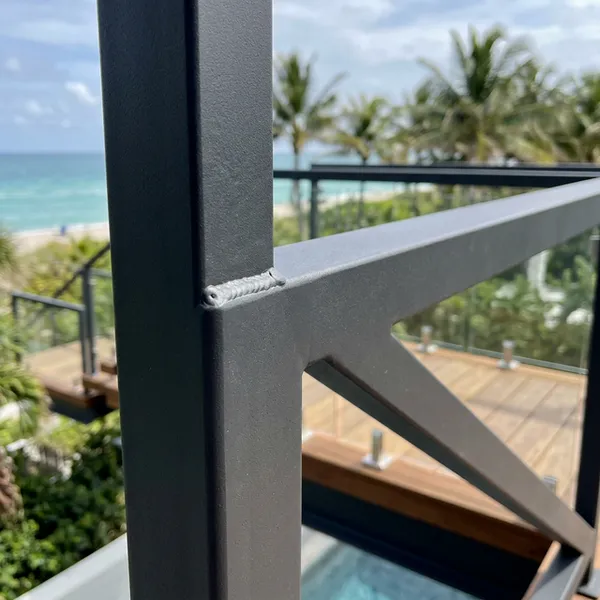
Material selection for Long Island exterior applications starts with 316-grade stainless steel for all exposed hardware — standoffs, rail fittings, anchor bolts. For primary steel structure, hot-dip galvanized A992 with a UV-stable epoxy topcoat is the standard. Tread material options for exterior applications include ipe hardwood with a penetrating oil finish, aluminum with non-slip grating, or textured concrete — each with a different maintenance profile that we discuss during the design phase.
Safety for winter use requires non-slip tread surfaces and consideration of ice management. Ipe treads have a natural texture that provides grip when dry but can ice over. Aluminum grating drains water and typically requires less ice removal effort. For homeowners who prefer the appearance of wood, we can specify aluminum grating panels with a wood-toned powder coat — it reads as warm-toned from the street but performs like metal in winter conditions.
Ready to get started?
We'll review your Nassau County project and provide a detailed proposal within 48 hours.
- ✓ Licensed & Insured in New York
- ✓ Nassau County Permit-Ready Documentation
- ✓ On-Time Completion Guarantee
- ✓ Site Assessment
How We Deliver Exterior Long Island Floating Entryways
Exterior Long Island Floating Entryways — FAQ
Do exterior floating stairs in Nassau County need to be designed for snow loads?
What happens to exterior steel stair anchors during Long Island freeze-thaw cycles?
What tread material works best for exterior floating stairs on Long Island?
Can I use rock salt or ice melt on exterior floating stairs with steel hardware?
How is drainage handled on an exterior floating stair landing?
Start Your Exterior Floating Entryway Project Today
Contact Hempstead Floating Stairs for a site assessment and detailed quote tailored to your Nassau County property.